
Back to Resources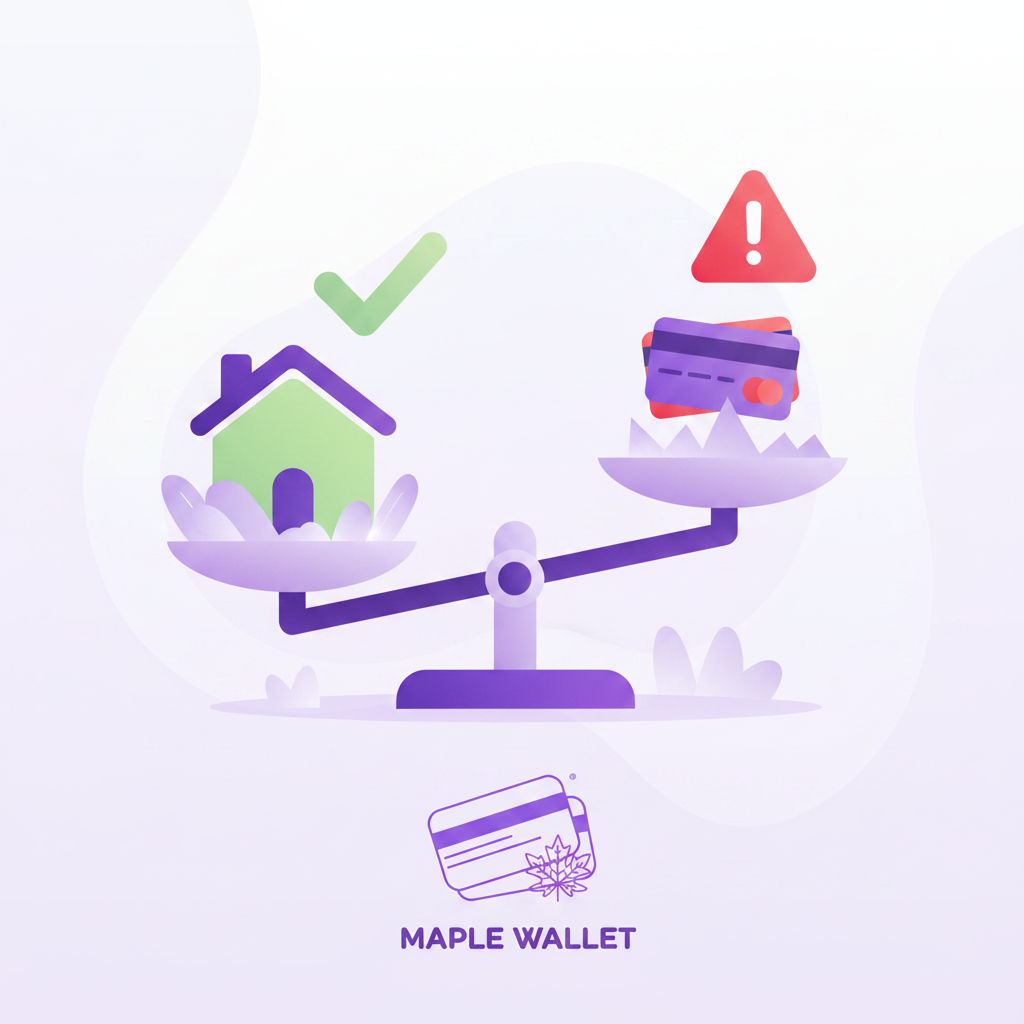
BeginnerBudgeting4 min read
Good Debt vs. Bad Debt: A Practical Guide for Young Canadians
Not all debt is equal. Understanding the difference is one of the most important financial concepts you can learn in your 20s.
- 1Good debt finances something that grows in value or increases your earning power: a student loan, a mortgage, or a small business loan.
- 2Bad debt finances things that depreciate or are consumable: credit card debt for clothes, vacations, or restaurants.
- 3Even 'good' debt can become bad if the interest rate is high enough or the asset doesn't grow as expected.
- 4Student loans at prime rate (currently 0% federal interest) are among the best debt you'll ever access — use them wisely.
- 5Credit card debt at 20% APR is almost always bad debt. It accumulates faster than most assets grow.
- 6Car loans sit in the middle — a car depreciates, but it may be necessary to earn income.
- 7The key question to ask before any debt: 'Does this increase my net worth or my earning potential over time?'
- 8Interest cost is real money: $5,000 on a 20% APR credit card paid off over 2 years costs you ~$1,100 in interest alone.
- 9Once you understand this distinction, you start making decisions based on long-term wealth, not short-term comfort.